Practice & Piano Skills

The art of repetition in effective piano practice

Learn how purposeful repetition can improve your piano technique, correct mistakes, and make every practice session more effective.

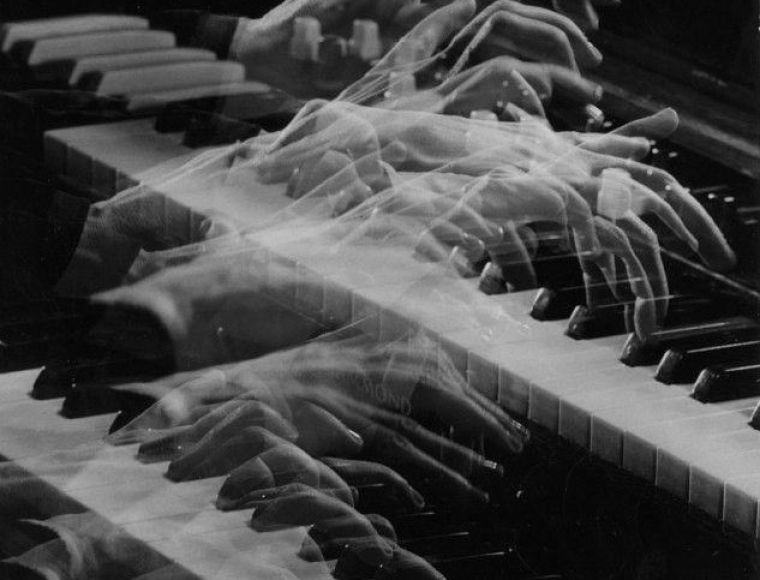
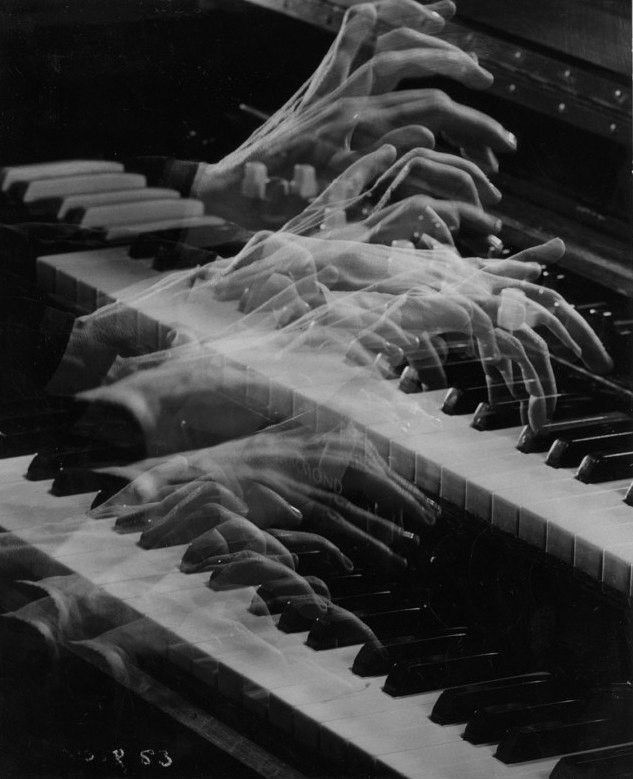
Several hands on the piano

The aim of art is to represent not the outward appearance of things, but their inward significance.

Aristotle

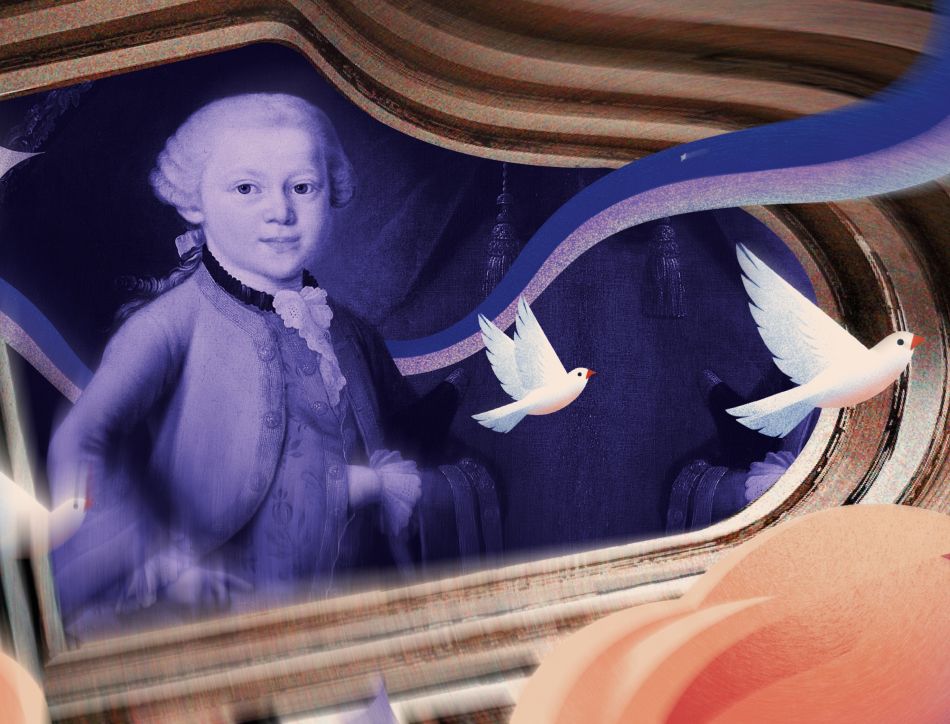
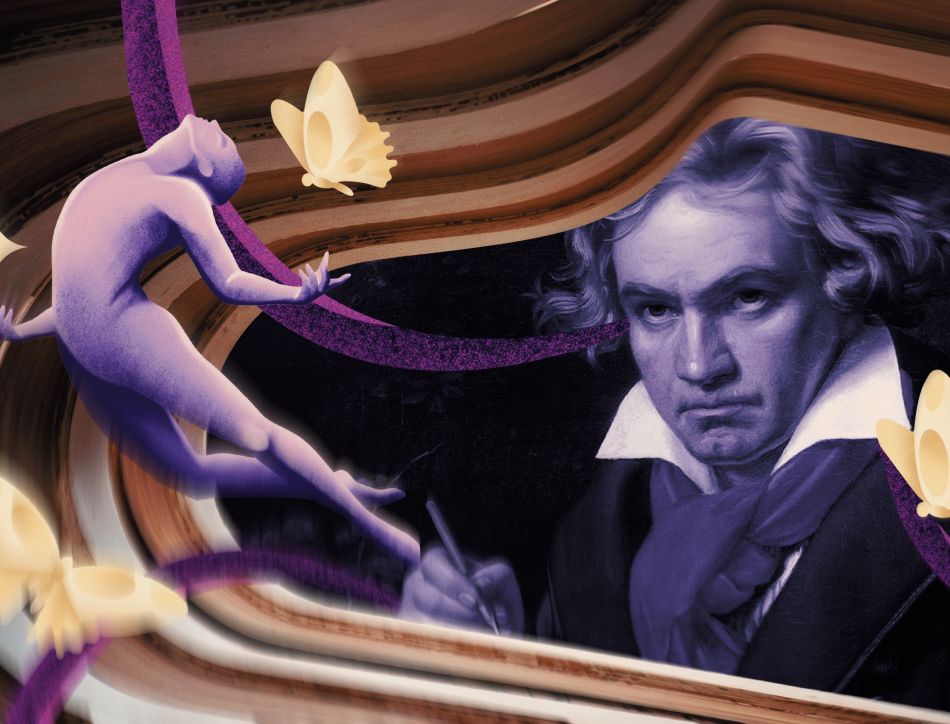
It is no secret that the great painters of the past mastered their techniques and accomplished extraordinary things. The same can be said of the greatest composers of all time. Now, let me ask you: What do Leonardo da Vinci, Michelangelo, and Rembrandt have in common with Bach, Beethoven, or Mozart? Well, you might say, “They were all geniuses.” And I don’t blame you. Their accomplishments are truly incredible - works of art that changed the way we see art, perspective, and beauty; masterpieces of music that continue to inspire generations. I understand. But, in other words, what do you think made these people “geniuses”? The art of repetition, my dear friends.

Yes, we could go further and discuss the inherent talent and gifts that some people possess. But here, I want to affirm something: the more they practiced, the better they became at their craft. “Really? Is that all? Repetition?” you might be asking. And that is a fair question. I have asked myself the same question many times before developing my own approach to practicing piano - as a piano student, teacher, and pianist.
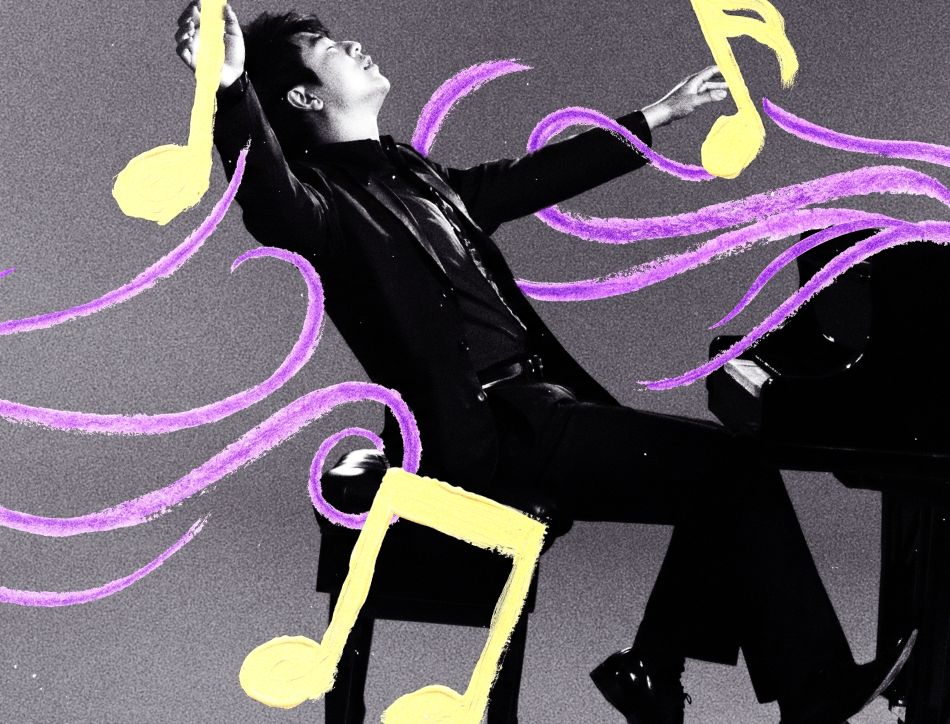
Repetition is an art

But the secret, my dear reader, is not simply repetition. It is practice with purpose, intention, and discipline. It is not about quantity. It is about the quality of your practice. You need to plan ahead and keep in mind that every repetition should have a specific goal. Maybe you have been struggling with a piece for weeks, months, or even years. Stop and observe the mistakes you are making. More than that: reflect on them. Why are you making those mistakes? Maybe you need to study more scales in order to develop the technique necessary to accomplish what you want. Maybe it is a timing issue, and practicing scales with a metronome will be crucial for your progress.

As you can see, it is not that simple. Repetition is an art. Once you learn how to practice repetition effectively, you will notice a significant difference in your technique, memory, and overall musical knowledge. Believe me - you can do it! It is also important to develop your observation skills. Observe your practice deeply, almost as if you were an outside observer watching a concert or studying a masterpiece in a museum. Try to step outside yourself and look at your playing objectively. I know it is difficult, but this is one of the most powerful ways to develop self-awareness, healthy self-criticism, and a realistic understanding of your progress. And don’t forget to take notes. Speaking of notes, people often think, “Oh, taking notes? I don’t want to waste my time doing that.” But it is exactly the opposite. By taking notes, you organize your studies - and, in a way, you organize your life. You can keep track of your progress, remember what you practiced, identify what still needs attention, and move forward with greater clarity. So, please, take notes.

How to make every repetition count

Now that you know repetition is one of the keys to successful practice, I would like to share some advice on how to implement repetition effectively into your daily routine:

  • Practice with purpose. Based on your notes, identify the passage or skill that needs your attention and approach it intentionally.
  • Set specific goals. What exactly do you need to improve? Timing? Hand independence? Speed? Articulation? Dynamics? Identify the goal before you begin repeating.
  • Practice slowly. Slow practice helps you build accuracy, precision, coordination, and control. There is no need to rush.
  • Listen carefully. Pay attention to tone, rhythm, articulation, dynamics, and phrasing. Remember that every repetition is an opportunity to refine your musical expression.
  • Correct your mistakes. If you make a mistake during a repetition, don’t simply play the passage again and hope it disappears. Stop. Identify the problem, correct it, and try again. Don’t procrastinate correcting your mistakes.
  • Break difficult passages into smaller pieces. Even a short passage can often be broken down into smaller sections. I highly recommend doing this when you are struggling. Working with smaller pieces allows you to understand the problem more deeply and approach it more effectively.
  • Be consistent. Build a routine that includes purposeful repetition. Repeat again and again, but try to learn something new from each repetition. Observe your progress and your mistakes. Learn about yourself as a musician. You may even discover that the same mistakes you make in one piece appear in another.
  • Take short breaks. Allow your body and brain to rest. Short breaks can help you return to the piano with greater focus and awareness. The Pomodoro Technique can be a powerful way to structure your practice time, and I assure you, it can make your studies much more productive.

How many times should you repeat a passage?

Finally, get the most out of your repetitions! Now you might be asking, “How many times should I repeat each passage?” I wish I had an easy and quick answer to that question. But I don’t. Here is what I do know: repeat as much as you need to. Repeat until you master the passage. And remember, mastery does not mean perfection. It means overcoming the mistakes, understanding what you are doing, and feeling confident with a particular section. Repeat it. Over and over again. Discipline and consistency do not mean that repetition has to be difficult or boring. When you make purposeful repetition part of your daily routine, you will soon realize how much more effective your practice becomes. Be gentle with yourself. Every process takes time. Your mind and body need time to become accustomed to new habits, and your hard work needs time to reveal its results. Bring an inward significance to your practice by observing the changes and progress you make along the way. Keep practicing. Keep observing. Keep repeating. And, little by little, turn repetition into art.