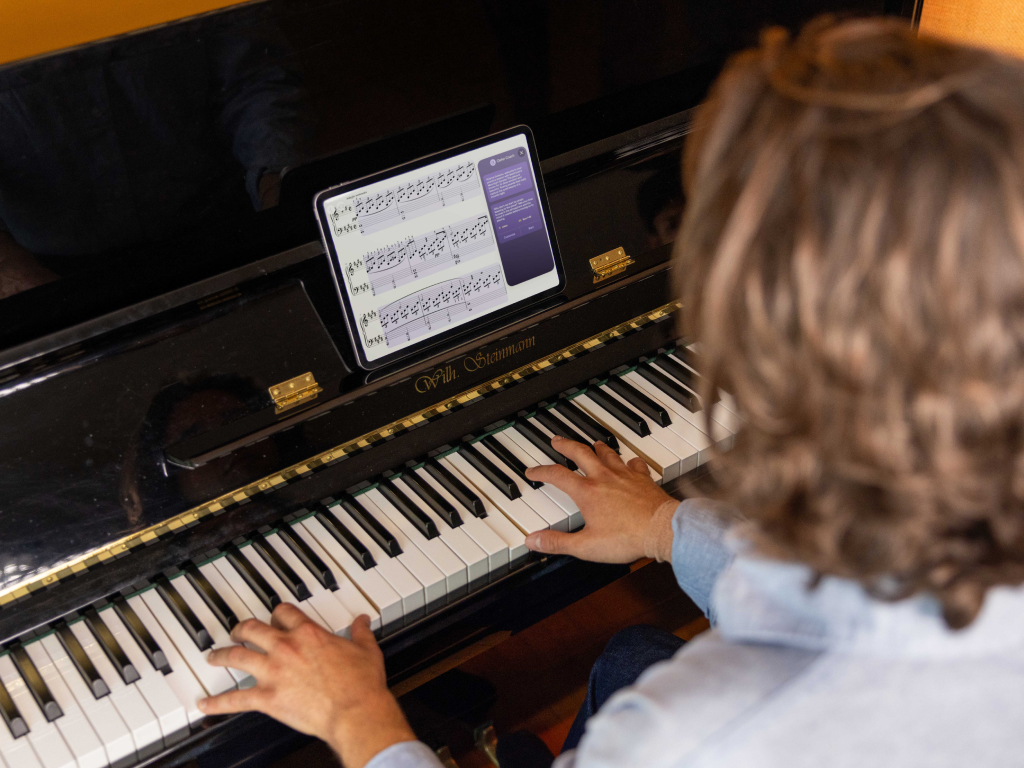
How to practice Frédéric Chopin’s Nocturne in E-flat major, Op. 9 No. 2
A closer look at Chopin’s Nocturne in E-flat Major, Op. 9 No. 2 and how to approach it with more clarity and confidence.
May 8, 2026

“Oh friends, no more of these sounds!
Let us sing more cheerful songs,
More full of joy!”
~ Friedrich Schiller, Ode to Joy
Maybe you are not completely sure who composed it. Maybe you do not know the story behind it. You might even wonder whether Ode to Joy is a full piece or simply a melody. But one thing is certain: once you hear it, you recognize it immediately.
That familiarity exists for a reason. Ode to Joy, from Ludwig van Beethoven’s Symphony No. 9, is one of the most widely known and celebrated melodies ever written.
But why is it so popular?
Have you ever attended a piano recital where a young student proudly announces: “I’m going to play Beethoven!” Well, very often, it is Ode to Joy.
Its melody is simple, memorable, and approachable, making it one of the first classical pieces many piano students learn. With only a few notes and repeating patterns, it allows beginners to experience the joy of playing recognizable music quite early in their piano journey.
Yet behind this cheerful melody lies a much deeper story.
Inspired by Friedrich Schiller’s poem about joy, unity, and humanity, Ode to Joy also became a symbol of Beethoven’s resilience. While working on the Ninth Symphony, Beethoven was already struggling with deafness, isolation, and emotional pain. And still, he created one of the most hopeful and uplifting works in classical music history.
Perhaps this is one of the reasons the melody continues to move people more than two centuries later. It carries both simplicity and emotional depth. Joy and struggle. Light and perseverance.
And maybe that is why so many piano players feel connected to it.
If you are learning Ode to Joy, start simply. Play the melody slowly and listen carefully to the shape of each phrase. Try singing the notes before playing them. This is extremely helpful for developing memory and musicality from the beginning.
Then, break the piece into small sections. Notice the repeating patterns and similarities throughout the melody. This makes the learning process feel much more manageable and helps build confidence step by step.
Even simple pieces benefit from focused practice. A clear piano practice routine, patience, and repetition will always help you progress more naturally.
Clefer can support this process by helping you work through the music one step at a time. Whether you are taking piano lessons, following online piano lessons, or learning independently with a piano learning app, guided practice and responsive feedback can help you stay focused and progress faster.
Most importantly, remember this: study with joy.
So, what are you waiting for? Fall in love with piano practice today.
Author: Aline Boyd
Learn, practice and improve the Clefer way. Your piano coach guides your practice. Made for students, educators and passionate players.