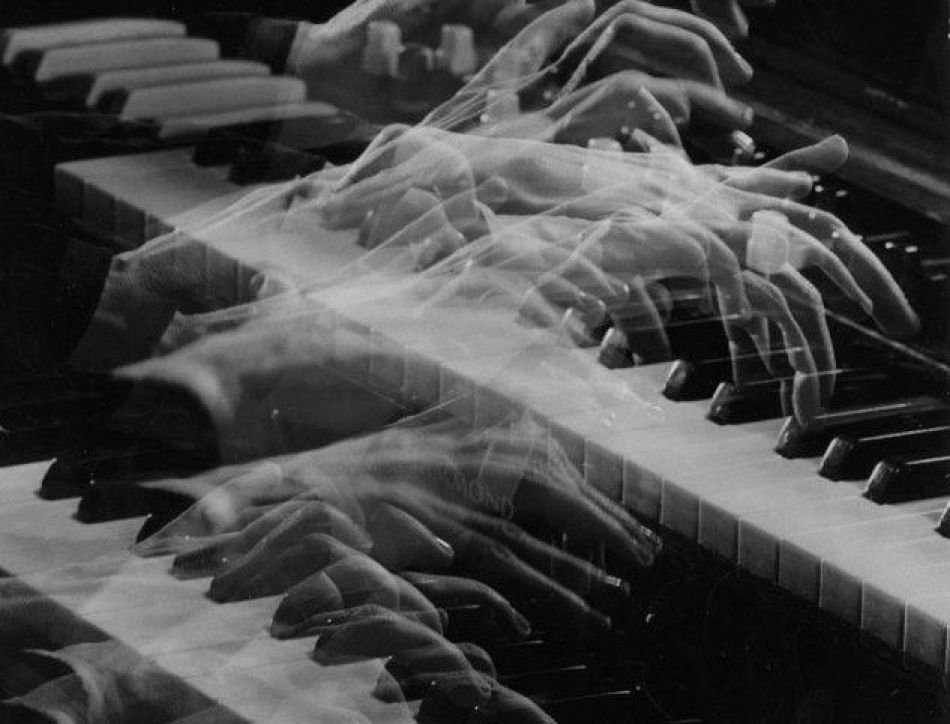
Everyone has probably heard about common injuries that affect tennis or soccer players, but when it comes to pianists’ injuries, people seem surprised! “Injuries caused by playing the piano? Really?” Yes! We don’t often think about it, but playing the piano is not only intellectually challenging; it is also physically demanding. So, I have a few questions for you, if you don’t mind… How often do you correct your posture while playing the piano? How often do you take a break to stretch? How often do you stretch your neck, back, shoulders, elbows, hands, and fingers? Well, if you find yourself struggling to answer these questions, don’t be surprised, my dear reader. That is exactly why we are here today: to discuss the often-neglected foundation of good technique: piano posture!
Practice & Piano Skills
Piano posture: the often-neglected foundation of good technique
Discover why piano posture matters and learn simple ways to reduce tension, improve technique, and play more comfortably.
The whole work of man really seems to consist in nothing but proving to himself every minute that he is a man and not a piano key.
Why posture matters more than we think
First, allow me to say that you are not alone in overlooking the importance of posture. Believe me, I neglected it myself, along with the importance of taking breaks to stretch. I get it! We are so focused on studying, preparing for a concert or recital, or simply catching up on our assignments before the next piano lesson. Yes, it is a lot! But the truth is that we can find ten minutes to take care of ourselves. Unfortunately, neglecting breaks in the past led to an injury that took me literally years to recover from: tenosynovitis. Well, my dear reader, that was a painful lesson! If we don’t stop, the pain will stop us.
A study published in 2024 explored the causes of piano-related physical injuries and how student pianists cope with them. Researchers interviewed 12 university-level piano students from seven higher education institutions in China. The findings indicated that playing-related musculoskeletal disorders can be influenced by a combination of physical, psychological, and environmental factors. Perfectionism also deserves attention: in the pursuit of high-level, flawless performances, many piano students face not only emotional distress and burnout but also physical injuries.
It is no wonder that some piano students and professional pianists experience injuries when proper body alignment is overlooked in the pursuit of excellence, particularly in environments that do not adequately support healthy practice habits. Carpal tunnel syndrome, tendinitis, tenosynovitis, epicondylitis, and neck and back problems are real concerns! That is the ugly truth, my dear readers: ignoring early signs of pain and failing to make time for breaks can contribute to physical problems.
Three simple ways to improve your piano posture
The good news? We can take a few simple steps to reduce these risks:
1) Adjust your bench position (the right height and distance allow your arms and hands to move naturally, while keeping your feet supported on the floor for stability).
2) Relax your shoulders and keep your wrists flexible (avoid unnecessary tension and allow your arms and hands to move freely).
3) Take care of your neck (try to keep your head balanced over your shoulders and move your eyes downward toward the keyboard rather than bending your head and neck forward).
Better posture, better piano practice
Finally, I would like to know… Are you convinced that good piano technique begins with posture and body awareness, and that professional medical care is important when needed? Well, I hope so! From now on, please remember to check your body alignment regularly. Proper posture can help reduce unnecessary strain and support coordination while playing the piano. In addition to those benefits, have you ever heard that posture can influence your sound? If not, let me give you another reason to pay attention to it: proper body alignment can support better control of dynamics, tone, and musical expression!
Always remember: posture is the foundation of piano technique! So, before even touching the keys, check your bench, sit comfortably, align your back, lift your head, relax your shoulders, elbows, hands, and fingers, keep your elbows comfortably positioned, and make sure your feet are stable on the floor. Then… take a deep breath! Ready? Let’s play!