
You don’t need to be in a concert hall to experience the magic of music. Maybe you are waiting for your flight, train, or bus. Maybe you are enjoying a coffee or tea, or perhaps you are simply finishing a hotel reservation. The place does not really matter: an airport, a station, a coffee shop, a tea room, or even a grand hotel lobby. The fact is that you are suddenly captured by a beautiful melody. Your ears recognize the energy, the powerful character, and the brilliance of a magical piece that reveals the intelligence and creativity of one of the greatest composers of all time. I am talking about Rondo Alla Turca by the Austrian composer Wolfgang Amadeus Mozart, a child prodigy who began composing at a very early age and became one of the central figures of the Classical era.
Pieces to learn
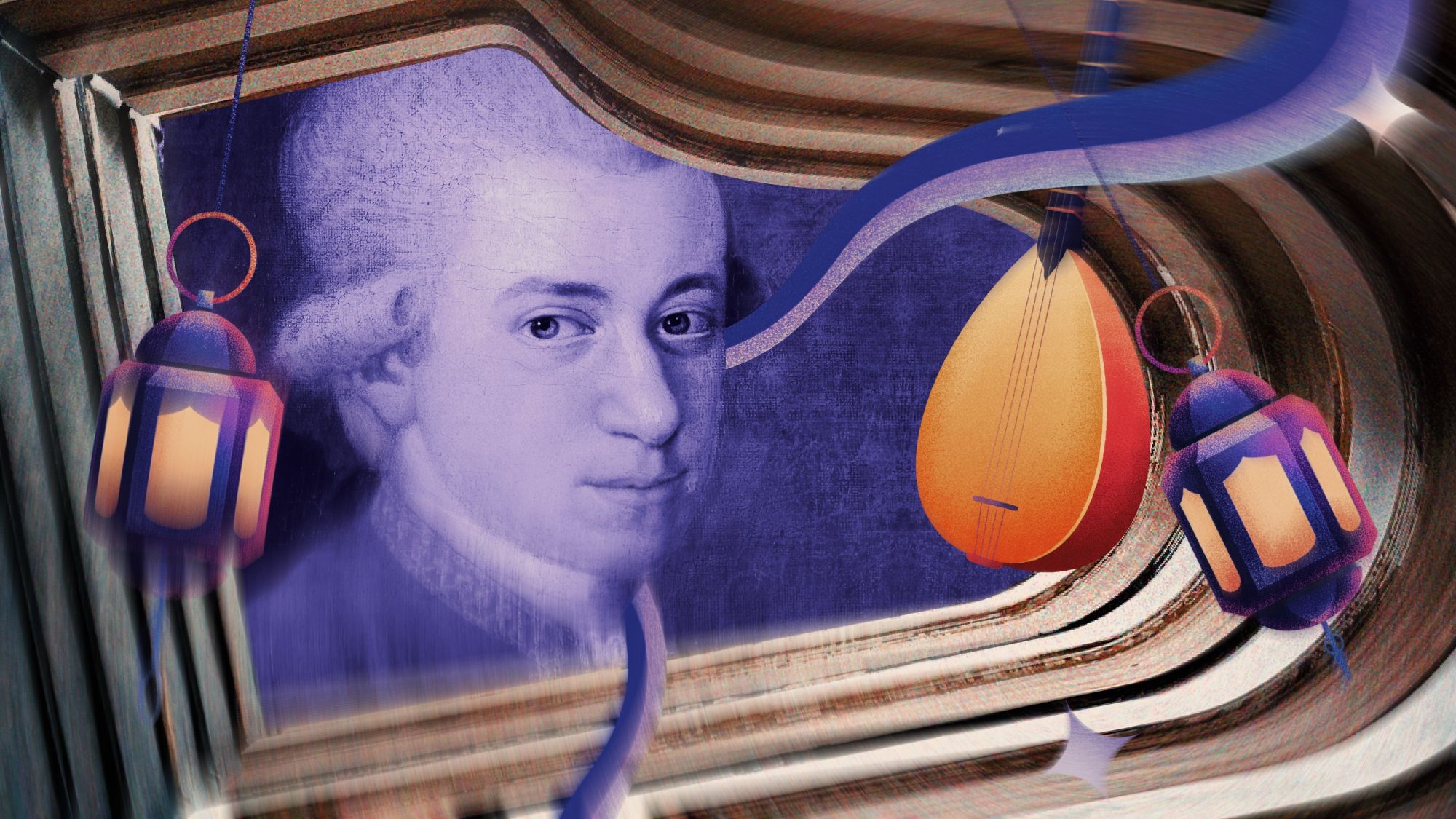
Rondo Alla Turca or Turkish March, by Wolfgang Amadeus Mozart
Discover the story behind Mozart’s Turkish March and learn practical piano tips for mastering its lively rhythms, precise articulation, and elegant style.
Life is a balance of holding on and letting go.
The story behind the Turkish March
Rondo Alla Turca, or more precisely Rondo Alla Turca: Allegretto, also known as the Turkish March, is the iconic third and final movement of Mozart’s Piano Sonata No. 11 in A Major, K.331. Written for solo piano around 1783, the piece is considered one of Mozart’s most famous piano works. The word rondo refers to a musical form in which a main theme returns repeatedly throughout the piece, creating a sense of familiarity and movement. In this case, the energetic opening theme constantly returns, creating the recognizable character of the work. Alla Turca means “in the Turkish style”. During Mozart’s time, Europe was fascinated by Ottoman culture, and the Turkish style referred to the sounds and rhythms inspired by Ottoman military bands, especially the famous Janissary style.
What makes this piece unique
If you are thinking about studying this piece, it is important to understand its background and musical language in order to approach it correctly and effectively. This is a unique work because, from the very beginning, it challenges traditional expectations of a Classical sonata movement. Mozart imitates the energetic sounds of Turkish military bands, which were extremely popular in Vienna during the late 18th century. Through strong rhythms, repeated notes, ornaments, and contrasting sections, Mozart creates the feeling of marching drums and cymbals. Although the piece is bright and joyful, it is also technically demanding, requiring precision, control, and a certain level of virtuosity. But, hey, don’t feel intimidated by these challenges. This wonderful piece is waiting for your dedication. So, let’s get to work!
How to practice the Turkish March
To study The Turkish March, first remember that Mozart’s musical language is built on clarity, balance, and elegance. Then, you need to understand the structure of the piece by identifying the returning themes and recognizing where the sections change. Practice slowly to build accuracy first. Balance your hands so the melody remains clear without overpowering the accompaniment. Pay attention to articulation, especially staccatos, accents, and expressive details. Finally, develop speed with relaxation by keeping your wrists and shoulders free while playing faster passages.
It's not about being perfect
With all of this in mind, ask yourself: Am I playing with energy, clarity, and elegance? If you cannot answer “yes” to those three questions, try again. Start over as many times as necessary. And no, don’t misunderstand me: this is not about being perfect. It is about translating Mozart’s language into your own practice. When you are able to recognize and express the subtle characteristics of a composer’s style, you are already halfway through the journey.
Find balance beyond the music
Finally, remember that balance and clarity are essential when playing Mozart. Speaking of balance and clarity, I would like to encourage you to bring these qualities into your life, your practice, and your journey. Learning piano can be demanding, but that is exactly why it is such a powerful instrument for developing discipline, resilience, and character. The most important thing is this: be kind to yourself. Take breaks when needed. Practice with moments of deep breathing and relaxation. Take notes. Be clear about your goals for this piece. Balance moments of playing with moments of complete silence. Celebrate your improvements and let go of harmful self-criticism. Enjoy these moments. Just like a beautiful piece of music needs its silences, you also need pauses to recharge your energy. I believe in you!
Continue your journey

2026-10-16 Practice & Piano Skills
The art of repetition in effective piano practice
2026-11-17 Pieces to learn
Practice Beethoven's Ode to Joy (Symphony No. 9) and discover the resilience of a genius mind
2026-11-06 Practice & Piano Skills
Piano posture: the often-neglected foundation of good technique