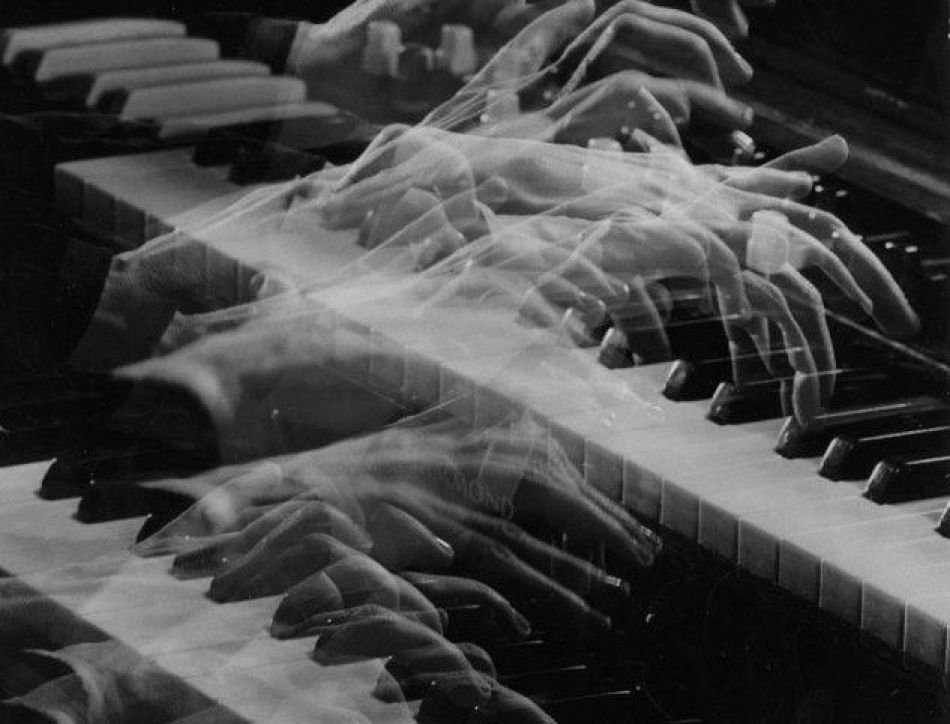
Feeling excited about your piano studies? After some time… not so much? Well, you are not alone, and there is a name for that: the motivation curve in piano learning. Yes, my dear readers, I know. It would be wonderful if our motivation and enthusiasm remained constant throughout the learning process, but the ugly truth is that every piano student will face the ups and downs of the journey. More importantly, you will learn to deal with them, overcome them, and keep moving forward. And let me tell you something: you will succeed.
For teachers
Why students quit piano and how to keep the spark alive
Learn why piano motivation fades, how to recognise the signs early, and practical ways to keep your piano practice consistent.

Keep moving forward.
Recognising the signs
In piano learning, this curve can be even more intense because the challenges are not only physical and technical - they are emotional as well. Learning an instrument as demanding as the piano means that, at some point, you will feel tired, overwhelmed, frustrated, or even as though you are losing control. As the music becomes more difficult, motivation may begin to fade, and the obstacles ahead can make you feel stuck. But please, stay with me a little longer.
The first thing you should know is that this curve is completely normal. It will show up at some point in your musical journey. The good news is that you can absolutely keep the spark alive, as long as you learn to recognize the signs that your motivation is beginning to fade. In other words, lasting progress begins the moment you stop sabotaging yourself. So, what are those signs? Perhaps your practice sessions become shorter and less consistent. Maybe you start avoiding the most challenging passages, or you pay less attention to articulation, dynamics, or tone. These are only a few of the many “symptoms”, but fortunately, they are easy to treat. Once you recognize them, you can prescribe yourself a few “doses” of encouragement, patience, and self-motivation.
Practise with intention
One of the most effective ways to keep your practice alive is to practice with intention. I know, I know… it is not always easy. But you can do it. Create a calm environment and develop a small ritual before you begin practicing. Do whatever helps you feel relaxed and focused: meditate, stretch, say a prayer, listen to your favorite song, or read your favorite poem. Take a deep breath, sit at the piano, and give yourself permission to be fully present.
Track progress, not perfection
In addition to that, you should always (did I say always?) keep track of your progress. Record yourself from time to time and learn to identify what needs improvement, but also acknowledge how far you have already come. Be demanding of yourself, but never confuse excellence with perfection. You do not need to be perfect. You need to be consistent.
Make your journal a habit
Keeping a practice journal can also make a tremendous difference. Set realistic goals (daily, weekly, and monthly) and write them down. Breaking larger goals into smaller, achievable steps makes progress feel visible and keeps motivation alive. During your practice sessions, divide your work into manageable sections. Be dynamic. Play your scales (yes, they are necessary - always!), work through difficult passages slowly with the metronome, then without it. Review the repertoire that still needs attention, and finish by playing a piece you truly enjoy. Think of it as your well-earned reward. And did I mention taking notes? Yes, that’s what your journal is for: write down what worked, what didn’t, what you discovered, and what you want to accomplish next. You are going to realize that taking notes will become natural, and you may even find yourself looking forward to it.
Keep moving forward
So, don’t ever think about quitting. The beautiful world of piano is waiting for you. Get to know yourself well enough to recognize the signs of discouragement, because they will eventually show up. When they do, don’t let them make you stop. Learn from them instead. Face them and move through them. Because I know something you may forget sometimes: you are stronger than those moments. And yes, believe me - you can keep the spark alive!
Clefer Blogs
Discover all postsContinue your journey

2026-10-16 Practice & Piano Skills
The art of repetition in effective piano practice
2026-11-17 Pieces to learn
Practice Beethoven's Ode to Joy (Symphony No. 9) and discover the resilience of a genius mind
2026-11-06 Practice & Piano Skills
Piano posture: the often-neglected foundation of good technique