Maybe you are not sure about the name of the piece or the composer. You think deeply, but you just can't remember. All you know is that it is beautiful. It's stunning, peaceful, and nostalgic. It takes you to another place where you can enjoy the silence, the gentle dissonances, the sparse texture, and the reflective atmosphere. You can't quite identify it, but one thing is certain: this piece, despite its slow tempo, touches your heart immediately. Yes, my dear readers, that is the power of true art: it improves our senses and self-awareness, allowing us to become better human beings. Erik Satie, brilliantly, accomplished that goal with one of the most iconic pieces ever written - not only because of its beauty, but also because of its minimalist character, which helped shape modern music throughout the years.
Pieces to learn
The beauty of simplicity in Erik Satie’s Gymnopédie No. 1
Explore Satie’s Gymnopédie No. 1 and learn to bring out its delicate melody, peaceful atmosphere, and expressive simplicity.
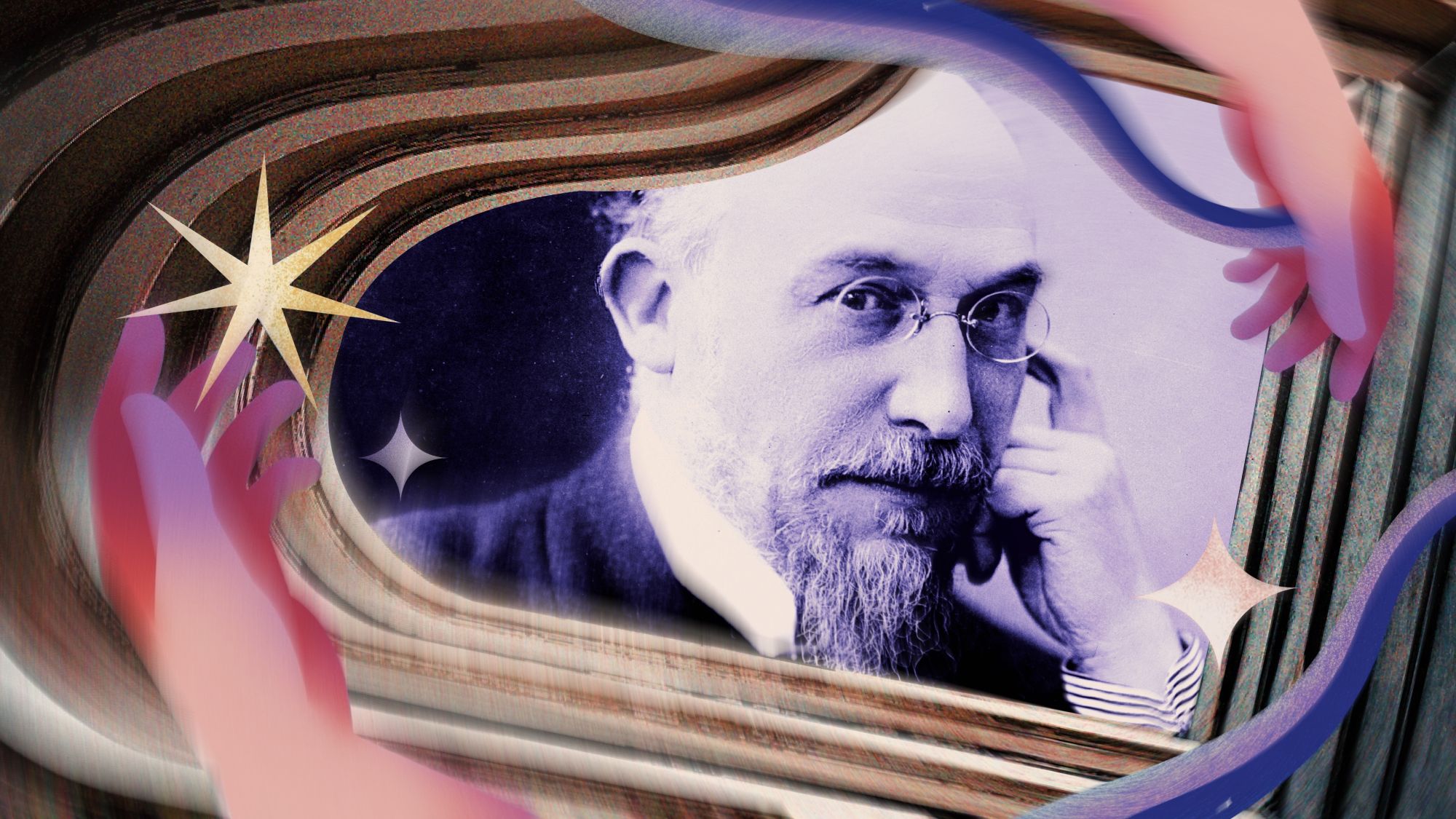
Have no fear of perfection - you'll never reach it.
A composer who broke the rules
Born on May 17, 1866, in France, Erik Satie is well known for breaking away from Romantic-era traditions and innovating through simplicity and an abstract musical language. As we know, our environment has the power to shape us, guide us, and influence our choices - and that is exactly what happened with Satie. After studying at the Paris Conservatory and working as a café pianist, he developed an eccentric style and became associated with artistic movements such as Dadaism and Surrealism. His innovations can be recognized in compositions such as Trois Gymnopédies, which challenged conventions and traditional harmonic structures. It is no wonder that, although Satie was misunderstood by many during his lifetime, his originality and unique approach deeply influenced great composers such as Claude Debussy and Igor Stravinsky.
The meaning behind the name
Today, Satie is recognized as one of the most influential composers of the late 19th and early 20th centuries. His legacy proves that, many times, all it takes to create something beautiful is to embrace simplicity. The term Gymnopédie comes from the ancient Greek word gymnopaedia, a combination of gymnos (meaning "naked" or "unarmed") and paideia (meaning "youth" or "child"). Historically, it refers to an ancient Spartan festival. It is likely that Satie chose this name to reflect his playful and humorous personality, while the music itself evokes so many emotions, creating a feeling that is both heartfelt and reflective.
How to study Gymnopédie No. 1
So, let's move forward and study one of his beautiful pieces. Are you ready? You have already taken the first step: getting to know a little about the piece, understanding where it came from, its style, intentions, and personality. Gymnopédie No. 1 is the first piece from Erik Satie's Trois Gymnopédies, and I would like to share a few tips to help you study it properly:
- Listen before practicing: before practicing, listen to a few respected recordings and take notes about the overall calm atmosphere, the slow and flowing tempo, and the use of silence and resonance. Don't forget to compare different interpretations and reflect on how each one makes you feel. This is essential because it develops your musical maturity and expands your perception of your own playing.
- Practice hands separately: Left hand: keep it soft, steady, and even. Right hand: play the melody with a smooth, singing tone.
- Play slowly: focus on accuracy, relaxation, and balance before increasing the tempo.
Balance the sound: the melody should always be more prominent than the accompaniment.
Use the pedal wisely: change the pedal with each harmony to keep the sound clear and avoid blurring, and then practice without it. - Shape the phrases: think in long musical lines, allowing the melody to breathe naturally.
Maintain a steady tempo: keep a calm, flowing pulse without rushing. - Listen carefully: record yourself and ask: Is the melody singing? Is the accompaniment soft? Is the sound warm and peaceful?
Be simple, be yourself
Finally, and most importantly: be simple, be original, and be yourself when you play. Enjoy the journey.
Continue your journey

2026-10-16 Practice & Piano Skills
The art of repetition in effective piano practice
2026-11-17 Pieces to learn
Practice Beethoven's Ode to Joy (Symphony No. 9) and discover the resilience of a genius mind
2026-11-06 Practice & Piano Skills
Piano posture: the often-neglected foundation of good technique