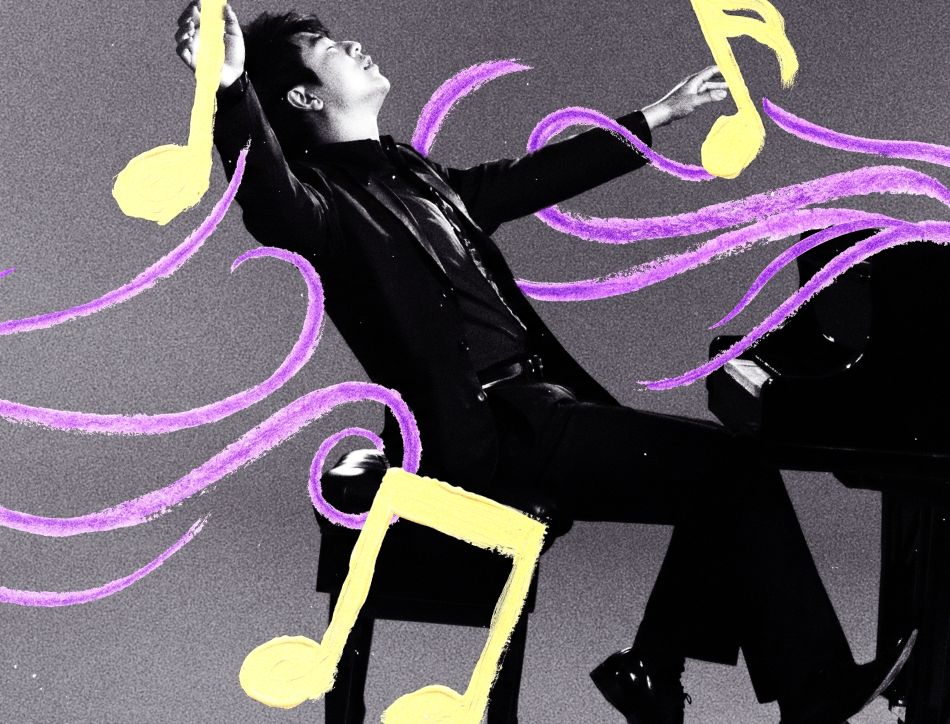
If you have never struggled with your piano practice, cast the first stone! Yes, my dear readers, that’s the ugly truth: every piano student - no matter how level they are at - will struggle with their piano practice at some point. By struggle I mean not only the technical challenges inherent to every apprenticeship which is healthy and powerful to build up resilience and cognitive skills, such as focus and memory, but also the emotional struggle. That is, my friends, the real fight if you want to be a successful student.
Practice & Piano Skills
Five ways to make piano practice feel exciting again
Feeling stuck in your piano practice? Discover five practical ways to stay motivated, overcome challenges, track progress, and enjoy playing again.

Perseverance, secret of all triumphs.
Change your mindset first
It’s no secret that piano is a demanding instrument (it’s the price we pay to study the most beautiful instrument ever created; it’s worthy, though), and it’s also true that piano practice might get really boring and repetitive in no time. Yes, I know, all those scales, chunks, changing fingers, memorizing sections… I get it. I’ve been in your shoes, and you might be asking yourself: can I get away with practicing without repetition? And the answer is no. It’s impossible, however we can definitely make our piano practice feel exciting again by completely changing our approach and mindset. Stay with me a little longer, let’s talk about it.
Firstly, before we go any further with the steps you should take, I would like you to keep the following analogy in mind: learning piano involves sacrifices, concessions, and routine. In other words, it’s a relationship in which you will inevitably experience moments of joy, frustration, and also give up some leisure time in order to succeed. Believe me: your effort is not in vain. Even with these difficult moments (absolutely necessary for growth - both personally and professionally), you can still turn your piano practice into a rewarding experience.
Five ways to feel excited again
Now that you are aware of this, let’s move on to five ways to make your piano practice feel exciting again:
- Give you some challenges: Remember that chunk you always avoid? That piece you always skip? That warm-up exercise you keep forgetting? Start with those first! You heard me - first. That’s why I call this a “challenge mindset”. No pain no gain! Train yourself to handle those piano practice trials. Face them as opportunities to become a better student. And you will.
- Reward yourself with your favourite pieces: After tackling the challenges, play pieces you genuinely enjoy. Share them with your family and friends. This helps keep up with motivation because you are engaging with music you love.
- Record your progress: Another way to make your practice really stimulating. Believe me: there’s nothing more satisfying than listening back and realizing how much you have improved. It’s also an effective way to identify patterns in your learning and develop critical thinking, crucial abilities for piano study.
- Celebrate small improvements: Don’t forget to acknowledge every bit of progress you make. I’m not saying to take it easy or stop pushing yourself. My point is that while you remain committed and disciplined, you should also be kind to yourself along the way.
- Play duets: If you have a friend who also plays piano, try playing together. It’s a great way to exchange feedback, improve timing and coordination, and - why not - add some fun into your practice sessions.
Meaningful, not perfect
The beauty of learning also lies in the challenges we overcome. It’s not supposed to be easy. It’s not supposed to always feel good. But your practice should definitely feel exciting each time you sit at the piano, because you know you are working hard. It’s not about being perfect, it’s about being meaningful, consistent and perseverant. And this, my dear readers, I know you can do.
Clefer Blogs
Discover all postsContinue your journey

2026-10-16 Practice & Piano Skills
The art of repetition in effective piano practice
2026-11-17 Pieces to learn
Practice Beethoven's Ode to Joy (Symphony No. 9) and discover the resilience of a genius mind
2026-11-06 Practice & Piano Skills
Piano posture: the often-neglected foundation of good technique