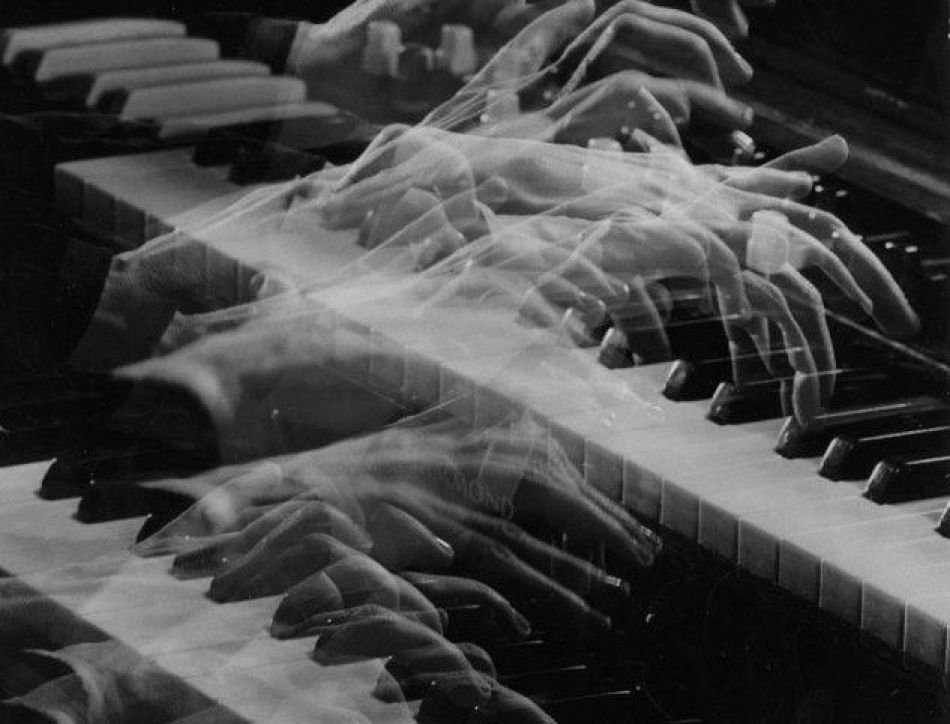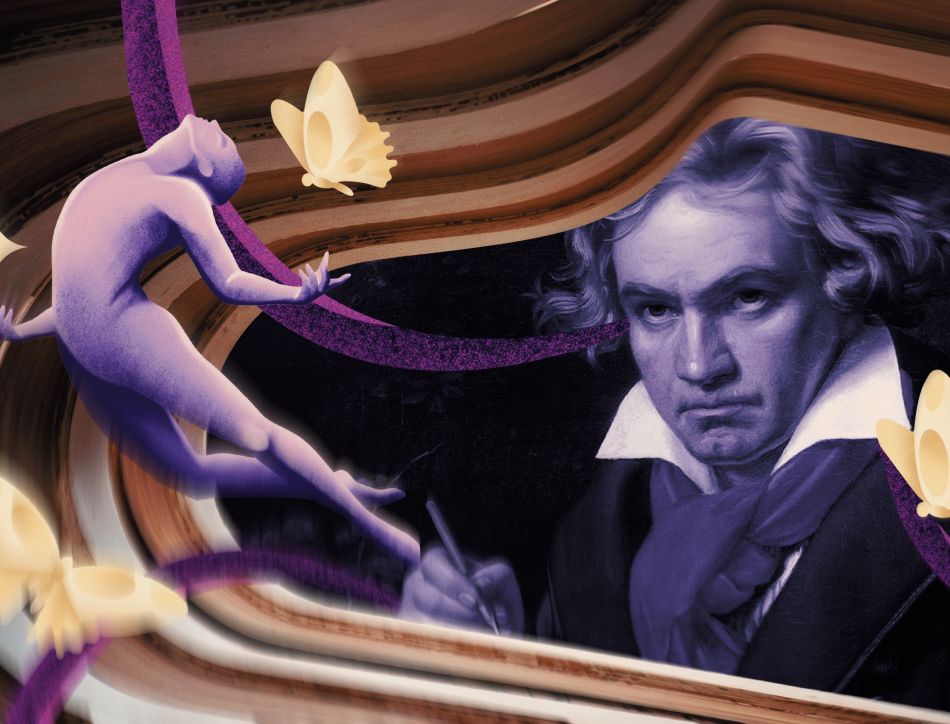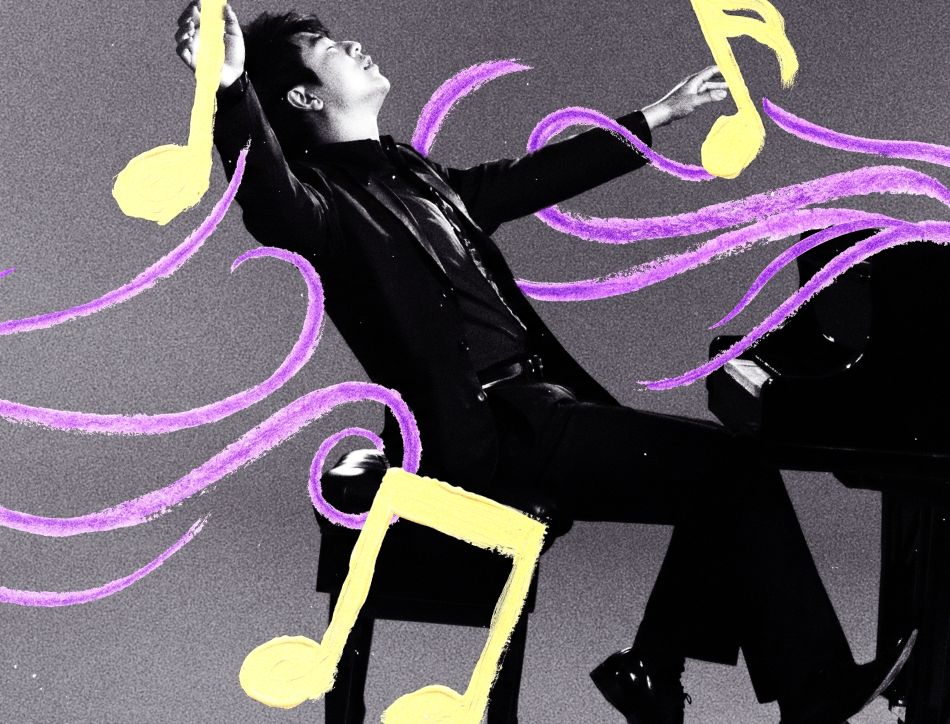
Have you ever thought that a good night of rest could be everything you need? Yet, no matter how long you sleep, you simply wake up tired. You experience constant exhaustion during your piano practice, and the truth is that playing the piano feels more difficult now than it did a while ago - and it has nothing to do with the piece you are practicing. Not to mention the physical changes, such as muscle pain, insomnia, stomach cramps, or nausea. On top of that, you feel sad, a loss of motivation, and a sense of failure… Do these symptoms sound familiar? Well, let me tell my dear readers: it is highly likely that you are experiencing burnout, and what you need most right now is to take a break!
Practice & Piano Skills
Burnout isn’t just for professionals
Feeling exhausted or unmotivated at the piano? Explore how rest, regular breaks, and a balanced practice routine can help prevent burnout.
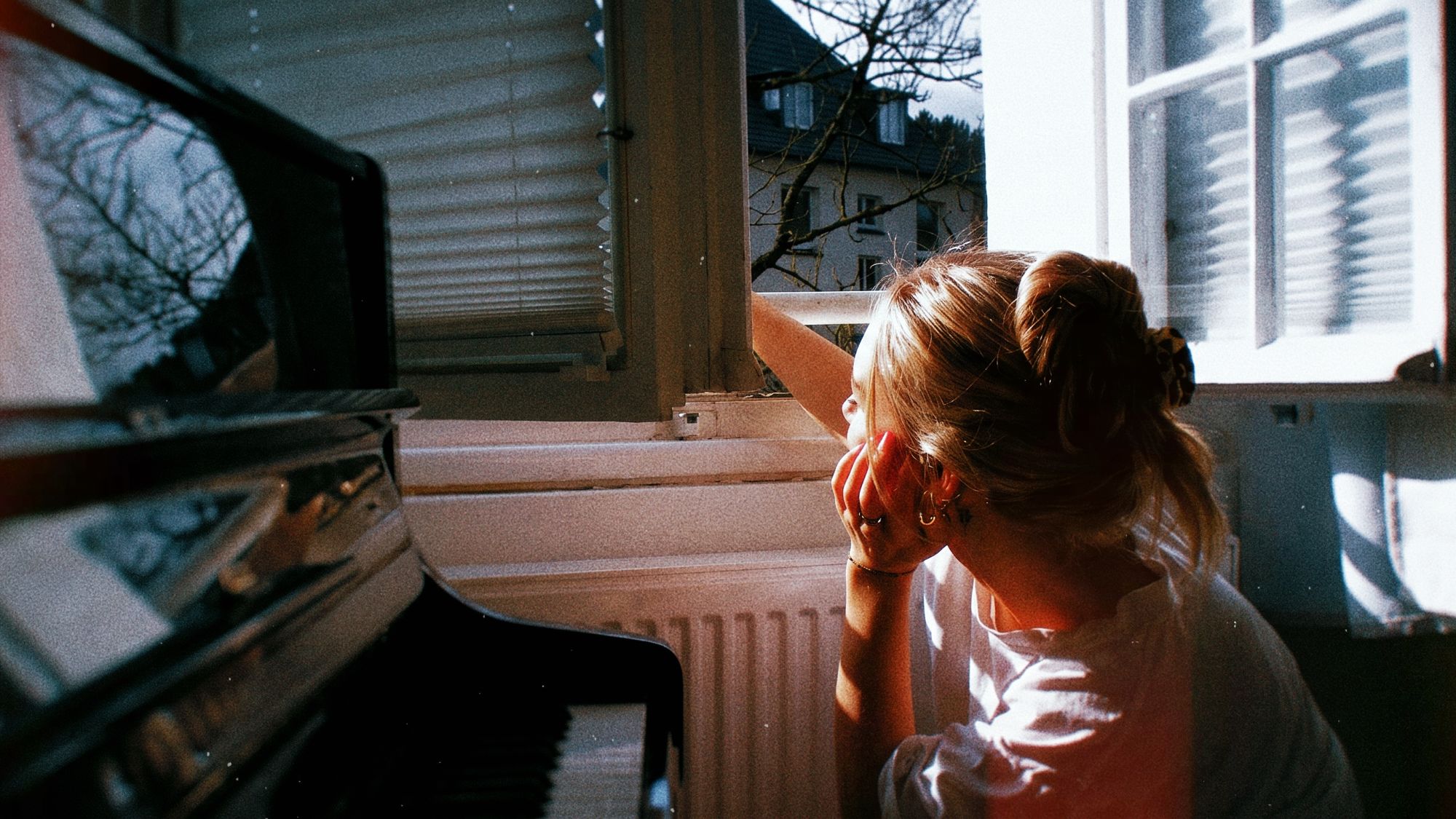
Take rest; a field that has rested gives a beautiful crop.
Stopping isn't losing control
You might be asking yourself: “How?” It’s a fair question. How are you supposed to take a break when you need to study so hard for that piece, that technique, those dynamics…? Yes, I understand. I’ve been in your shoes. Sometimes it feels almost impossible to stop, even for a second, because it feels like everything is moving too quickly - as if you are losing control. But let me tell you something: by stopping and taking a break, you are not losing control. Quite the opposite: you are taking control of your life and your piano practice. “Really?” you might be wondering. Yes, really - believe me. This simple action will give you greater self-awareness, maturity, and focus. The truth is that our bodies - and our brains (which control not only intellectual processes but also emotional regulation) - need rest. Otherwise, we cannot truly make progress.
Joy is part of the discipline
First, you should keep in mind that burnout does not necessarily mean that you have completely lost interest in music. Instead, it means that physical and emotional exhaustion have started to outweigh the pleasure and joy of practicing. By saying this, I am not suggesting that piano practice should always be fun and relaxed. No! Learning an instrument is demanding, and in order to grow, we must learn how to face challenges. These challenges help us develop resilience in the short, medium, and long term. What I mean by pleasure and joy is that you must allow yourself to be creative during your practice. You must find a balance between technique and creativity. This balance will not only benefit your practice but will also help you establish a healthier approach to learning. It is a cycle: healthy practice creates a healthy student. So, try to implement this balance into your piano routine. Alongside coordination, rhythm, reading, and technical exercises, practice expression, interpretation, and imagination as well.
Practice like an athlete, recover like one too
Additionally, I would like you to consider a concept that might change your perception of piano practice: think of your practice as high-performance training, similar to that of an athlete. But what does that mean? To begin with, it means dedication, responsibility, and commitment. However, it also means understanding the importance of rest and giving yourself time to recover. Yes, your body and mind need time to recover. Rest prevents not only mental fatigue and repetitive strain injuries (a real issue that many students experience), but it also helps with the consolidation of muscle memory and the development of skills such as focus and determination. So, my advice for you today is this: schedule breaks throughout your practice. Be consistent, but remember to rest. Rest is like a mental reset. Allow yourself to enjoy it, and your practice will become more productive.
Turn rest into a habit
I would like to encourage you to keep a journal about your piano practice. Be organized. Organization is one of the keys to success. Every Sunday evening, write down your weekly goals. Be persistent. Record your pieces, your mistakes, and your improvements along the way. Also, write down how you are going to balance technique and creativity that week. Finally, include how you plan to incorporate breaks into your practice schedule. Try different techniques. The Pomodoro method, for example, can be very effective: after every 25 minutes of practice, take a 5 -minute break. During those five minutes, allow yourself to relax, take deep breaths, stretch carefully, and then return to your practice with renewed energy. I know you can do it! Leave behind unhealthy piano practice - or better yet, let it burn!
Clefer Blogs
Discover all postsContinue your journey

2026-10-16 Practice & Piano Skills
The art of repetition in effective piano practice
2026-11-17 Pieces to learn
Practice Beethoven's Ode to Joy (Symphony No. 9) and discover the resilience of a genius mind
2026-11-06 Practice & Piano Skills
Piano posture: the often-neglected foundation of good technique