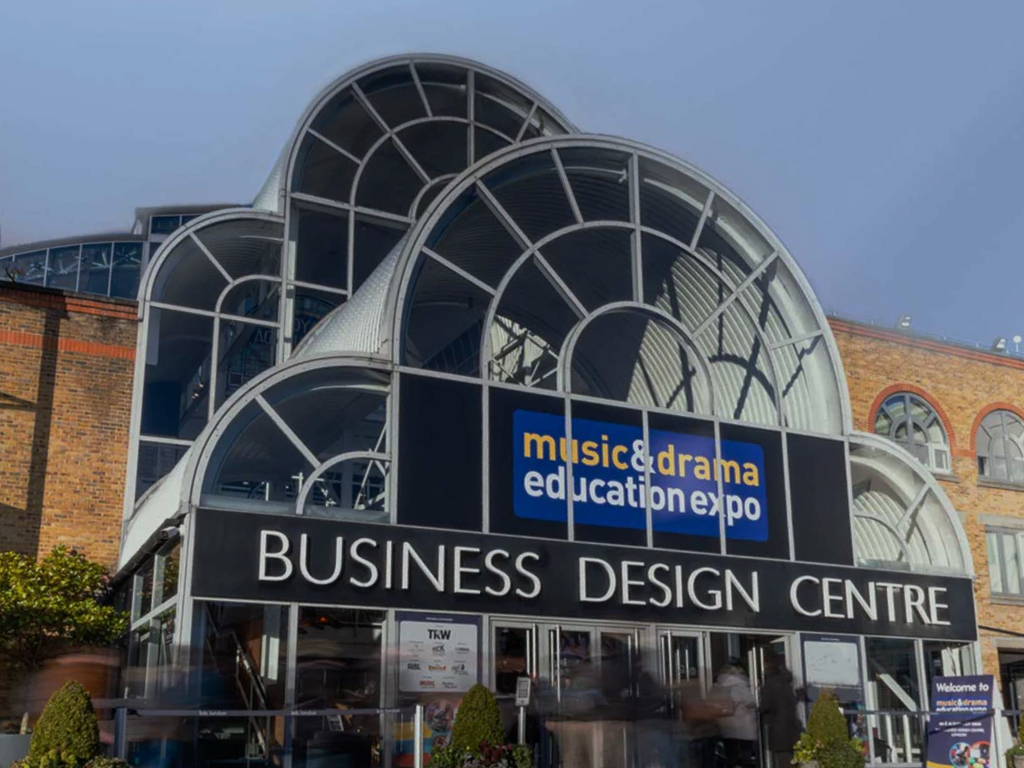
Join us the Music & Drama Education Expo in February 2026
Come meet us at the Music & Drama Education Expo 2026 in London. Explore our piano learning app with hand-demos and get a goodie bag.
July 3, 2026
“If you would tell me the heart of a man, tell me not what he reads, but what he rereads.”
~ François Mauriac
Have you ever attended a concert or recital and felt that, although the performance was beautiful, something was missing? You may not know exactly why, but somehow you sense that the performer is emotionally distant, even though the piece is technically flawless and beautifully executed.
Well, I don’t know about you, but I certainly have. Now let me ask you another question: have you ever read a great classic of literature without putting yourself in a character’s shoes? Almost impossible, right? Have you ever wondered why? If not, let me tell you something, my dear reader: art is about human emotion.
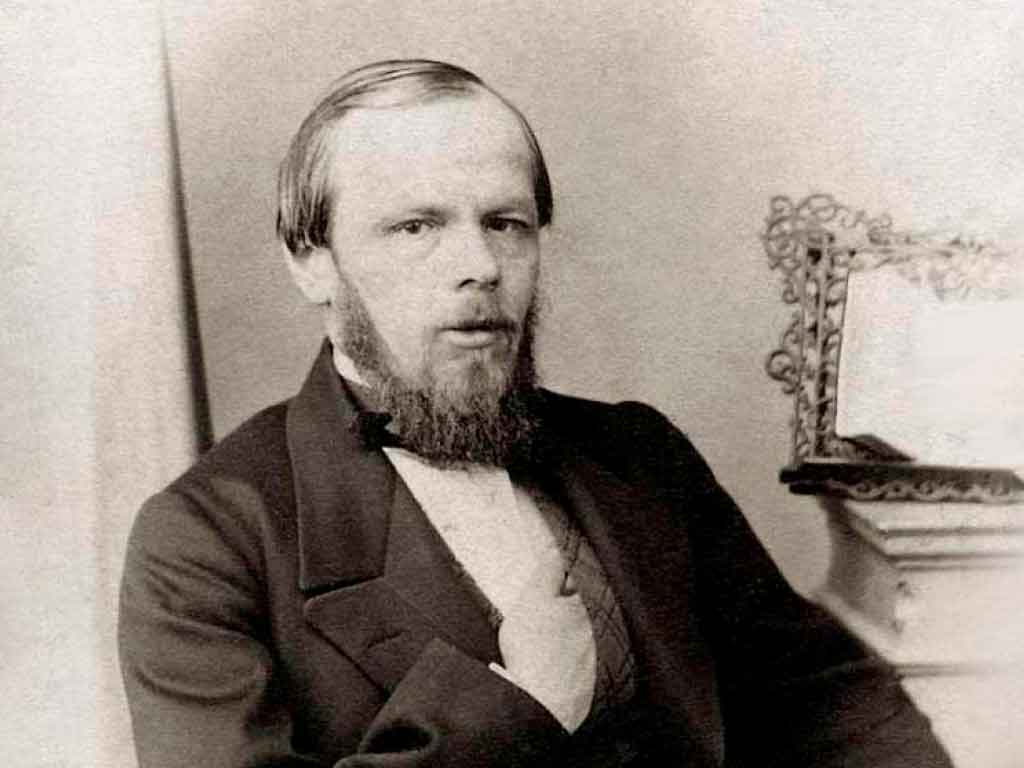
Think about some of the greatest names in literature: Virgil, Fyodor Dostoevsky, Virginia Woolf, Charles Dickens, or Marcel Proust. Different styles, different eras, different works, and yet they all reach our hearts in remarkably similar ways. Why? Because they understood the human soul deeply. And piano practice has everything to do with emotional communication.
You may be thinking, “Okay, but what does Dostoevsky have to do with my piano practice?” Fair enough. Come with me for a moment.
The truth is that all art is deeply connected. And by art, I mean true art: art that unites the three classical transcendentals of truth, goodness, and beauty. Only true art can combine all three and genuinely touch the soul.
At this point, I hope you are following me. Music without soul becomes mechanical and emotionally empty. Empty, much like Raskolnikov, the protagonist of Crime and Punishment. In short, the novel reveals how the beauty of true love, filled with goodness, compassion, and tenderness, can heal a fallen soul and make redemption possible.
In the same way, both classical music and classical literature are built upon reflection, interpretation, and emotional understanding. In fact, many of the greatest composers of all time were profoundly influenced by literature and philosophy. It is no surprise that they developed such deep emotional sensitivity. Perhaps it is worth remembering this the next time you struggle to return to the piano.
Effective piano practice requires qualities that seem to be disappearing from human nature: patience, focus, and sentiment. It asks for a connection that allows you and the instrument to become one.
Without these qualities, you cannot truly read well, whether you are reading sheet music or the literary canon. Who hasn’t asked themselves, “To play or not to play?” Shakespearean jokes aside, the point is this: you must bring perception into your practice. Playing the piano is not merely about memorizing notes or perfecting fingerings. Once again, piano playing is about the soul. And this is where classical literature becomes so valuable. Literature has the power to keep our eyes open, helping us perceive not only ourselves, but also the world around us: its nuances, its beauty, its sorrow, and even the silence hidden beneath sound.
Why does this matter? Because piano practice is, ultimately, the art of understanding human nature. Yes, I know. There is a great deal of hard work ahead. If it makes you feel any better, it is endless work for everyone. Practising the piano is intellectually and emotionally demanding. It is also an act of humility. It calls for deeper perception, self-awareness, and honest self-examination.
And to develop those qualities, my dear reader, I am afraid there is no shortcut. You must walk the path yourself. Do you want to grow? I hope you do. Then remember this: No one can practice for you. In many ways, it is a solitary journey, but an extraordinarily rewarding one.
Finally, allow literature to nourish your soul before you begin practising. Develop your emotional awareness by reading before sitting at the piano. Allow yourself to contemplate your practice. Write your impressions in a journal and observe how your perceptions change over time. Take breaks when needed, but remember that expressive playing develops slowly, just like the narrative of a great novel. Music, like literature, reveals its deepest beauty to those who are willing to return to it again and again.
So, what are you waiting for? Open a book, sit at the piano, and let both continue to shape the musician you are becoming.
Learn, practice and improve the Clefer way. Your piano coach guides your practice. Made for students, educators and passionate players.