The piano practice tools teachers use to accelerate progress
Discover the simple piano practice tools teachers use to help students build technique, confidence, and steady progress.
January 23, 2026

First and foremost, a learner must be curious.
The piano is, without question, one of the most remarkable musical instruments ever created — not only for its beauty and refinement, but also for its rich and fascinating history. Since my earliest years of study, the piano’s evolution has always captivated me. Thinking about how it was created, improved, and passed down through generations reminds me of the incredible human ingenuity behind this instrument we love so much.
What about you?
Have you ever thought about where the piano came from, or how it developed into the instrument you practice today?
You might feel that learning the history of the instrument is unnecessary when your main goal is to learn piano or improve your technique. Yet I believe the opposite is true: the more we understand about the piano’s origins, the more connected we feel to it — and the more meaningful our piano practice routine becomes. Learning its history doesn’t just deepen our appreciation; it also highlights how much there is still to discover, and that curiosity naturally pushes us to grow and improve piano skills over time.
You might ask, “Why does this matter so much?”
From experience, I can say that real learning only happens when we engage with something fully — when we read, explore, observe, and expose ourselves to different layers of knowledge. Just like reading a classic novel requires attention to detail to understand its depth, learning piano invites us to pay attention, ask questions, and reflect on how to practice piano with more intention and awareness.
Let me give you an example.
Imagine you are traveling to a new country. The more you learn beforehand about its culture, history, and people, the more meaningful and enjoyable your trip becomes. The same applies to piano playing. Whether you are a beginner using a learn piano app, taking online piano lessons, attending online piano classes, or working with a teacher in person, treating your piano journey as an ongoing exploration makes your practice feel richer and more rewarding.
Now, let’s do a quick “test.”
Do any of these names sound familiar?
Bartolomeo Cristofori, Gottfried Silbermann, Johann Andreas Stein, Ignaz Bösendorfer, Johann Zumpe, William Stodart, John Broadwood, Sébastien Érard, Henry Steinway.
If not, I hope this sparks your curiosity. Curiosity is one of the most powerful tools you have. Whether you use a piano learning app like Clefer, take piano lessons in person, or practice independently, curiosity keeps you engaged, motivated, and growing.
So what are you waiting for?
If you have never explored the history of the pianoforte, start today. Read a bit about its evolution, even a few minutes a day. If you began once and stopped, pick it back up. You can learn through books, documentaries, articles, recordings, and even interviews with piano makers.
Be curious. Let your questions guide you.
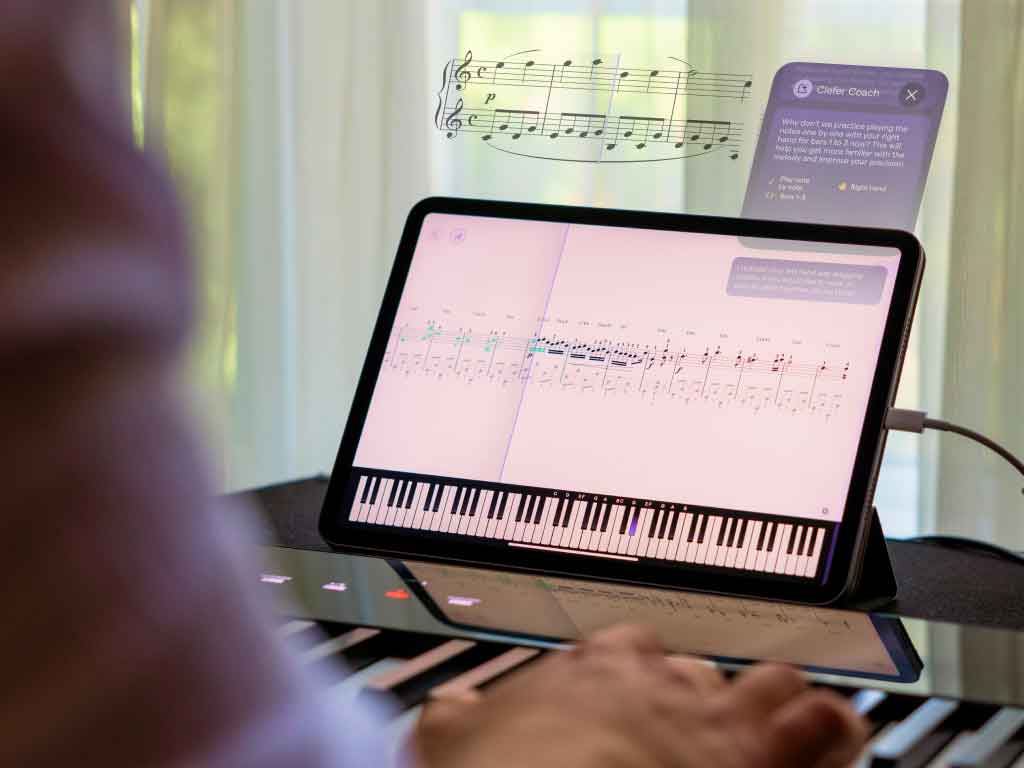
Make your piano practice more meaningful by deepening your understanding of the instrument itself. Understanding where the piano comes from can deepen how you relate to your practice today. Clefer supports that journey with guided practice, responsive real-time feedback, and a clear structure that helps you build a steady piano practice routine at your own pace. Whether you are exploring history, developing technique, or simply looking for the best piano learning app to support your goals, Clefer helps your practice feel focused and connected.
And above all: enjoy the process, and fall in love with piano practice again.
Learn, practice and improve the Clefer way. Your piano coach guides your practice. Made for students, educators and passionate players.