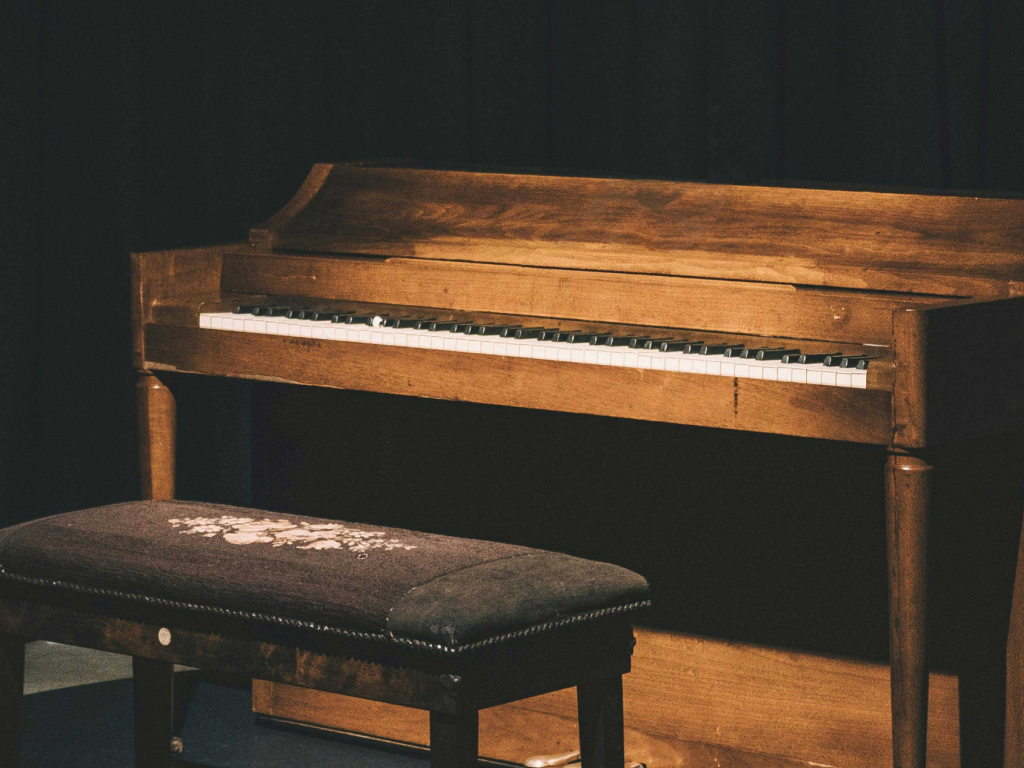
The history of the piano: how it evolved into the instrument we know today
Discover how the piano evolved into the modern instrument we know today: from expanded range to iron frames and innovation in design.
May 22, 2026
"The one exclusive sign of thorough knowledge is the power of teaching." ~ Aristotle
Have you ever thought about how fast some students seem to learn piano? Do you ever find yourself thinking that learning piano has everything to do with talent or some mysterious superpower?
Well, joking aside, let me tell you something important. These thoughts often come from students who have reached a difficult stage in their piano journey and aren’t quite sure how to move forward.
So the real question is: why are they struggling?
Is it technique? Is it method? Is it self-discipline? Or perhaps a combination of all three?
This brings us to one of the most important aspects of learning the piano: the practice tools we use! In other words, the tools provided by your piano teacher are always mentioned for a reason: they work!
Let’s be honest. If you sit at the piano, play through a couple of pieces, notice a few mistakes, do very little to fix them, and then tell yourself, “Well, at least I practised today,” your biggest obstacle is probably not the music. It is your practice method. When your piano teacher says, “Play it again,” “Slow down,” “Hands separately,” or “Use the metronome,” those suggestions are never random. They are proven ways of practising that help students make real progress.
Let’s take a closer look at some of the most common ones.
Repetition builds self-discipline, strengthens muscle memory, and improves accuracy. Thoughtful repetition is one of the foundations of effective piano practice.
This may be the advice students hear most often, and for good reason.
Many players try to reach the final tempo far too quickly. Unfortunately, this usually means repeating the same mistakes over and over. Slowing down gives you the time to listen carefully, notice what needs attention, and build confidence before increasing the speed.
In other words: use a metronome. I know… many students avoid it. But the secret is not to set it fast. Set it slow enough that you can play comfortably and accurately, then increase the tempo little by little. You may be surprised by how much steadier your playing becomes.
When your teacher asks you to practise hands separately or isolate a difficult passage, they are helping you solve one problem at a time. Working in small sections is often far more effective than playing from beginning to end repeatedly. It reduces frustration and allows difficult passages to become familiar before putting everything together.
For many students, this is the most uncomfortable suggestion. But it is also one of the most valuable. Listening back allows you to hear details you often miss while playing, from timing and rhythm to balance and dynamics. So you can solve many issues, such as timing and dynamics, sometimes not so obvious when performing for your teacher.
The good news is that none of these approaches are difficult to learn. Once you understand why they work, they gradually become part of your daily piano practice.
The key? Discipline and resilience.
The next time you make a mistake or feel stuck, pause for a moment, take a deep breath and ask yourself: Am I using the tools correctly? And How can I apply those tools to make my practice more effective?” Seriously, that’s all it takes for you to mature into an excellent student. Once again, it has nothing to do with performance,it’s about consistency and method (a good performance will come as a consenque).
At the end of the day, progress does not come from practising more. It comes from practising more thoughtfully. Start off by setting up realistic goals. Be kind towards yourself, and also make adjustments if needed. Decide what you want to work on before you sit at the piano. Plan tomorrow’s practice today, so you don’t spend half your session wondering what to play next.
Use the tools your teacher has given you. Stay disciplined, and trust the process. Over time, these simple habits become the foundation of confident piano playing.
So, what are you waiting for? Fall in love with piano practice today!
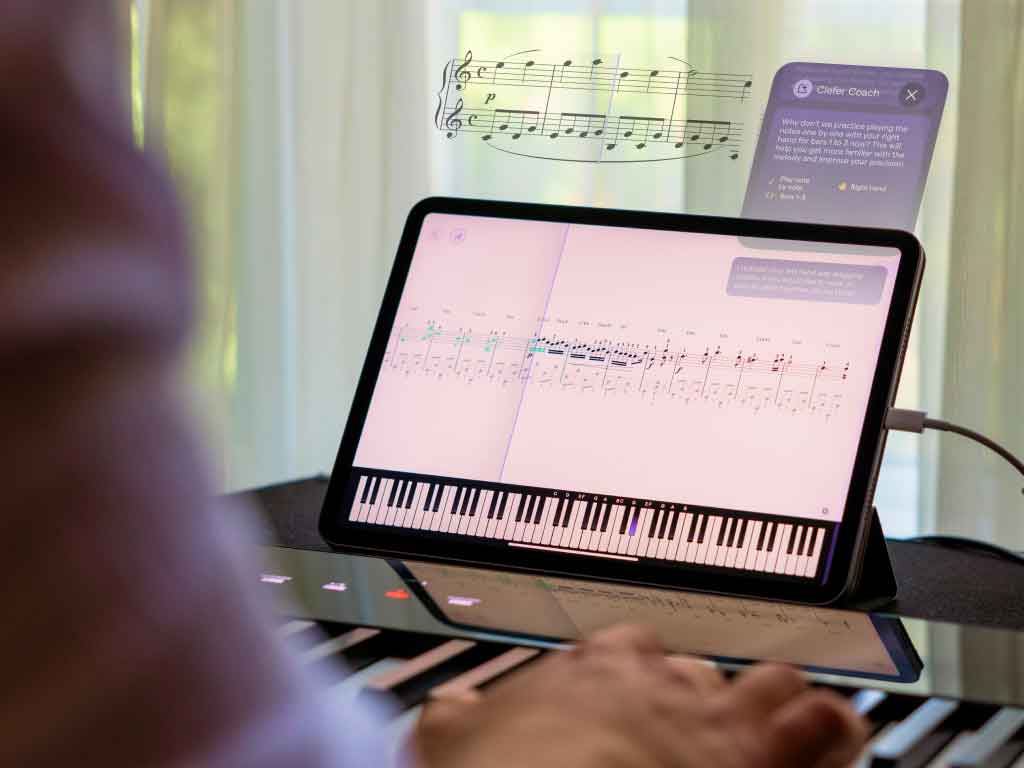
Learn, practice and improve the Clefer way. Your piano coach guides your practice. Made for students, educators and passionate players.